
CRO
E-commerce CRO: Design & Development Tactics That Actually Move the Needle
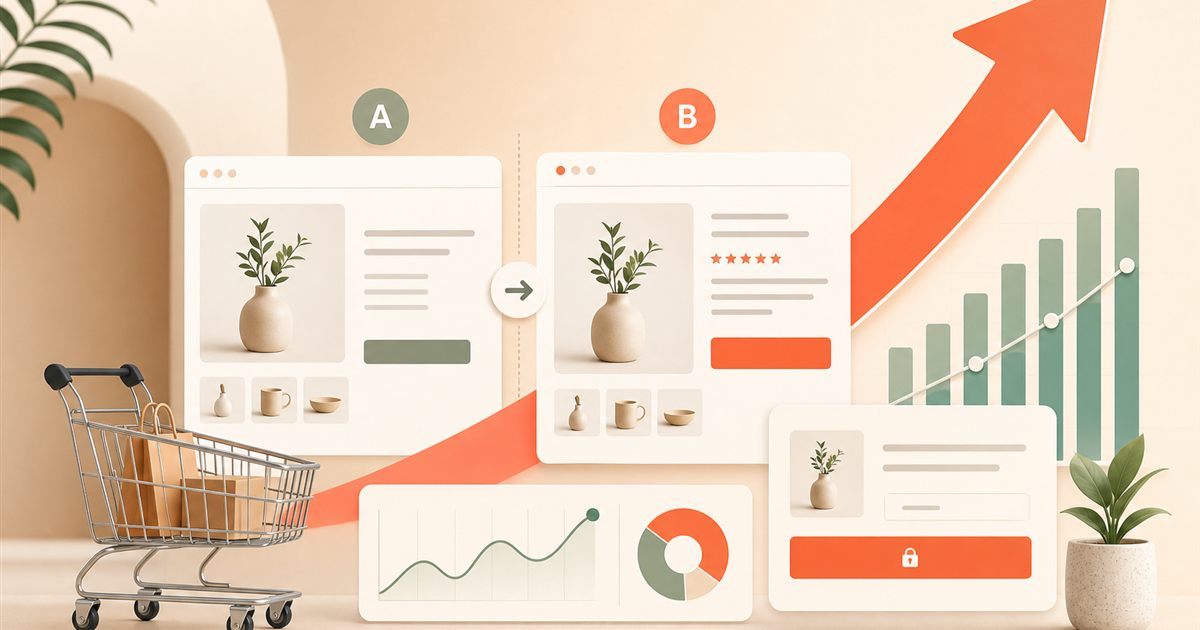
Conversion rate optimization is not a magic button — and it is not only about A/B testing headline colors. In 2026, the stores that win combine UX clarity, development discipline, and measurable iteration. CRO is a design and engineering problem, not just a marketing spreadsheet.
At BinarySolz, we improve e-commerce conversion through custom Shopify Liquid themes, WooCommerce builds, and performance-led UX changes. This guide covers the development and design tactics that consistently move metrics — not generic “add urgency timers” advice.
Related reads: custom Shopify Liquid themes and conversion, Figma to Shopify process, and Core Web Vitals optimization.
What CRO actually means for developers and designers
CRO is increasing the percentage of visitors who complete a goal — usually purchase, but also lead capture or subscription. The levers split into:
- Traffic quality — ads, SEO, audience fit (marketing)
- Experience quality — UX, speed, trust (design + development)
- Offer quality — product, pricing, shipping (business)
This article focuses on experience quality — where dev and design teams have direct control.
The e-commerce conversion funnel (and where leaks happen)
- Landing / homepage — clarity of value proposition
- Collection browse — findability, filters, mobile grid
- Product page (PDP) — variants, trust, add-to-cart
- Cart — surprises, upsells, shipping hints
- Checkout — friction, payment options, errors
Most stores over-invest in homepage redesigns while PDP and mobile cart lose the majority of revenue.
Development-led CRO tactics that work
1) Speed as a conversion feature
Every 100ms of delay hurts mobile conversion. Prioritize:
- LCP image optimization on PDP and homepage
- Reduce third-party scripts (reviews, chat, heatmaps) — load on interaction
- Lean theme architecture — no page-builder bloat on Shopify or WooCommerce
2) Variant UX that prevents errors
- Clear selected state on size/color swatches
- Disable add-to-cart until required variants are chosen — with visible prompt
- Out-of-stock messaging before click, not after
3) Sticky mobile add-to-cart
On long PDPs, a sticky ATC bar with price and variant summary recovers mobile conversions significantly.
4) Trust signals at decision points
- Shipping estimate near ATC
- Returns snippet near sizing or fit content
- Review summary above the fold on PDP — not buried in tabs
- Payment icons near checkout CTA
5) Cart transparency
- Show subtotal, discounts, and estimated shipping early
- Avoid surprise fees at the last checkout step
- Guest checkout available — forced account creation kills conversion
6) Search and filter performance
Slow or broken collection filters on mobile cause bounce. AJAX filters with clear active states outperform full page reloads.
7) Accessible, keyboard-friendly UI
Accessibility improvements often improve conversion for all users — larger tap targets, visible focus states, readable contrast.
Design-led CRO tactics
| Tactic | Impact area |
|---|---|
| Scannable PDP hierarchy | Title → price → variants → ATC → trust → details |
| High-quality product media | Zoom, multiple angles, video for complex products |
| Benefit-led copy above specs | Answers “why buy” before “what are the specs” |
| Social proof placement | Near ATC, not only in footer |
| Reduced cognitive load | Fewer competing CTAs per viewport |
What to A/B test (and what to fix first without testing)
Fix first without testing: broken mobile layout, slow LCP, checkout errors, unclear variant selection, missing shipping info.
Test when basics are solid:
- PDP layout variants (gallery left vs stacked mobile)
- ATC button copy and color (within brand system)
- Trust block placement
- Upsell placement in cart
Testing broken fundamentals wastes traffic. We audit technical and UX blockers before running experiments.
Platform-specific CRO notes
Shopify
- Custom Liquid themes beat generic templates for PDP control
- Checkout customization is limited — optimize pre-checkout relentlessly
- App discipline — each app is a script tax
WooCommerce
- Checkout page plugin choices matter enormously
- Payment gateway UX and failed payment recovery
- Plugin bloat is the silent conversion killer
Choosing the right platform matters too — see our WooCommerce vs Shopify guide and the platform comparison pillar.
Metrics to track (beyond conversion rate)
- Add-to-cart rate — PDP effectiveness
- Checkout initiation rate — cart UX
- Checkout completion rate — payment and form friction
- AOV — upsell and bundle success
- Mobile vs desktop split — prioritize mobile fixes first
- Core Web Vitals — correlate speed with funnel steps
Common CRO mistakes
- Fake urgency timers that erode trust
- Popups on first mobile visit before value is shown
- Too many apps solving CRO with overlays instead of UX fixes
- Redesigning homepage while PDP loads in 5 seconds
- Copying competitor tactics without matching audience or offer
Next steps
Want conversion gains from engineering and UX — not gimmicks? We audit your funnel, prioritize fixes by impact, and implement on Shopify or WordPress stacks.
Explore our e-commerce services or book a free CRO strategy call.
Frequently Asked Questions
What is e-commerce conversion rate optimization (CRO)?
CRO is the practice of improving the percentage of visitors who complete a desired action — usually a purchase — by improving UX, speed, trust, and checkout flows.
What is a good e-commerce conversion rate in 2026?
It varies by industry and traffic source. Many DTC stores aim for 2–4% overall; B2B and high-ticket stores differ. Focus on improving your own baseline rather than generic benchmarks.
Does site speed affect e-commerce conversion?
Yes. Slower mobile pages increase bounce and reduce add-to-cart rates. Core Web Vitals improvements often correlate with measurable funnel gains.
Should I A/B test before fixing site speed?
No. Fix critical speed, mobile UX, and checkout errors first. Testing on a broken foundation wastes traffic and produces misleading results.
Which page should I optimize first for CRO?
Product pages and mobile cart flows typically offer the highest ROI, especially for paid traffic landing on PDPs.
Do Shopify apps help CRO?
Some apps help, but many add scripts that hurt speed. Prefer theme-level UX improvements and add apps only when they solve a clear, measured problem.
Can developers improve CRO without designers?
Partially. Developers fix speed, variant logic, and checkout bugs. Design shapes hierarchy and trust. Best results combine both disciplines.
Can BinarySolz help improve my store's conversion rate?
Yes. We audit funnels and implement UX, theme, and performance improvements on Shopify and WooCommerce builds. Contact us for a free strategy call.
Continue reading

E-commerce
WooCommerce vs Shopify in 2026: Which E-commerce Platform Fits Your Business?
WooCommerce vs Shopify in 2026: compare costs, flexibility, content + commerce, performance, and which platform fits your e-commerce business goals.
· 4 min read
E-commerce
How Custom Shopify Liquid Themes Improve Conversion Rates (2026 Playbook)
Learn how custom Shopify Liquid themes improve conversion rate: faster Core Web Vitals, better mobile UX, cleaner checkout flows, and...
· 4 min read